Stabilizer bars (also known as sway bars or anti-roll bars) are essential components of a vehicle’s suspension system. They help reduce body roll during cornering and improve overall stability. Integral to the stabilizer system are the bushings and end links, which connect the bar to the vehicle’s frame and suspension arms. Proper lubrication of these parts is critical for smooth operation, noise reduction, and prolonging component life. This article details how to correctly lubricate stabilizer bushings and end links, the types of lubricants to use, and maintenance best practices.
Why Lubricate Stabilizer Bushings and End Links?
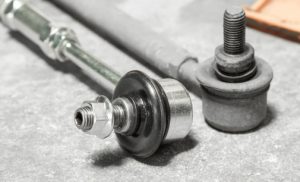
Bushings and end links endure constant movement and stress as the suspension flexes, leading to wear and friction. Without adequate lubrication, these parts can:
-
Develop squeaks and creaks during driving
-
Experience accelerated wear and tear
-
Cause reduced suspension responsiveness
-
Lead to premature failure of bushings or links
Regular lubrication ensures smooth pivoting and movement, reducing friction and noise. It also helps repel water and contaminants that can cause corrosion.
Components That Require Lubrication
| Component | Function | Lubrication Need |
|---|---|---|
| Stabilizer Bushings | Cushion between stabilizer bar and frame | Requires grease to reduce friction |
| End Links | Connect stabilizer bar to suspension arm | Requires lubrication to prevent binding |
Types of Stabilizer Bushings and Lubricants
Bushings can be made of rubber, polyurethane, or synthetic compounds, each with different lubrication requirements:
| Bushing Material | Lubrication Type Recommended | Notes |
|---|---|---|
| Rubber | Silicone-based or lithium grease | Avoid petroleum-based lubricants that degrade rubber |
| Polyurethane | Silicone-based grease or dedicated bushing grease | Polyurethane is durable but needs regular lubrication to prevent squeaks |
| Synthetic Rubber | Silicone or synthetic grease | Check manufacturer’s recommendations |
Lubricant Options:
-
Silicone grease: Water-resistant, rubber-safe, excellent for bushings
-
Lithium grease: Good for metal-to-metal and some bushing applications
-
Synthetic grease: Long-lasting, withstands harsh conditions
-
Graphite lubricant: Sometimes used for bushings, but not common for stabilizer parts
Tools and Materials Needed
-
Jack and jack stands (to safely lift vehicle if needed)
-
Socket set or wrench
-
Clean cloths or rags
-
Appropriate grease (silicone or lithium-based)
-
Grease gun or brush applicator
-
Protective gloves
-
Spray lubricant for cleaning (optional)
Step-by-Step Lubrication Process
1. Safety First: Lift and Secure the Vehicle
-
Park on a flat surface, engage the parking brake.
-
Use a jack to lift the vehicle and secure it with jack stands.
-
Remove wheels if necessary to access stabilizer components.
2. Inspect Stabilizer Components
-
Check bushings for cracks, splits, or excessive wear.
-
Inspect end links for bent studs, worn ball joints, or damaged bushings.
-
Clean dirt and debris around bushings and end links using a brush or spray lubricant.
3. Apply Lubricant to Bushings
-
If possible, loosen the clamp bolts holding the bushing brackets.
-
Remove or open the bracket to access the bushing surface.
-
Clean old grease and dirt from the bushing surface.
-
Apply a liberal amount of silicone-based grease or recommended lubricant evenly around the bushing.
-
Reinstall or tighten the bracket carefully, avoiding over-tightening which can deform the bushing.
4. Lubricate End Links
-
For ball joint style end links:
-
Check if there is a grease fitting (zerk fitting).
-
If yes, use a grease gun to apply grease until fresh lubricant appears.
-
-
For rubber or polyurethane bushings in end links:
-
Apply silicone grease around the bushings where the link moves.
-
Move the suspension slightly to work the lubricant in.
-
5. Final Checks
-
Verify that all bolts and clamps are securely fastened.
-
Lower the vehicle and test drive to check for noise or binding.
Maintenance Schedule and Tips
| Maintenance Task | Recommended Frequency |
|---|---|
| Visual Inspection of Bushings | Every 12,000 miles or 12 months |
| Lubrication of Bushings | Every 24,000 miles or 2 years |
| End Link Inspection | Every 12,000 miles or annually |
| Replace Worn Components | As needed based on wear or damage |
Additional Tips:
-
Always use lubricants compatible with the bushing material.
-
Avoid petroleum-based greases on rubber bushings, as they can cause swelling and deterioration.
-
Clean components thoroughly before applying new grease.
-
If bushings are cracked or damaged, lubrication will not solve the problem; replacement is necessary.
Common Issues Caused by Poor Lubrication
| Symptom | Cause | Recommended Action |
|---|---|---|
| Squeaking noises | Dry or worn bushings/end links | Clean and lubricate; replace if damaged |
| Loose handling | Excessive play in worn bushings | Replace bushings and lubricate new parts |
| Clunking sounds | Damaged end links or worn bushings | Inspect and replace damaged components |
| Corrosion on parts | Moisture accumulation | Clean and apply protective grease regularly |
Choosing Quality Stabilizer Parts
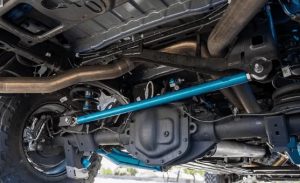
For the best performance and longevity, use high-quality stabilizer bushings and end links designed for your vehicle model. Quality components improve handling, reduce noise, and extend suspension life.
For a reliable selection, Buy Stabilizer & Components online from trusted suppliers who offer durable parts and expert advice.
Conclusion
Proper lubrication of stabilizer bushings and end links is a simple yet vital maintenance task that keeps your vehicle’s suspension functioning smoothly. Using the correct lubricant, inspecting components regularly, and following recommended maintenance intervals prevent noise, wear, and premature failure. Regular care not only enhances ride comfort and handling but also saves money by extending the life of suspension parts. Remember, when it’s time for replacements, always choose high-quality stabilizer parts. For dependable products and expert support, make sure to Buy Stabilizer & Components online to maintain your vehicle’s stability and safety on the road.