Stabilizer bars — also called sway bars or anti-roll bars — play a crucial role in vehicle suspension systems by minimizing body roll during cornering and enhancing overall stability and handling. While most drivers are familiar with standard, off-the-shelf stabilizer bars designed for general applications, there’s a growing interest in custom-built stabilizer bars. But when is investing in a custom solution worthwhile? What benefits do custom stabilizer bars offer, and how do you decide if your vehicle needs one?
In this article, we’ll explore the key reasons for choosing custom stabilizer bars, the situations that call for bespoke solutions, and the process of designing and fitting these essential suspension components. We’ll also include maintenance tips and guidance on where to find quality parts to keep your vehicle performing at its best.
What Are Stabilizer Bars?
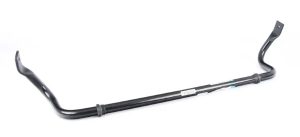
Before diving into custom solutions, it helps to understand the function of stabilizer bars:
-
Purpose: Reduce body roll and improve handling during turns by linking opposite wheels and transferring forces.
-
Location: Mounted between the suspension arms on the front and/or rear axle.
-
Function: When the vehicle corners, the bar twists, resisting suspension compression on the outer wheel and supporting balance.
Why Choose Custom Stabilizer Bars?
While OEM and aftermarket stabilizer bars fit most vehicles well, custom-built stabilizer bars are crafted to meet specific demands or unique vehicle setups. Here are key reasons why a custom solution may be needed:
| Reason | Explanation | Benefit |
|---|---|---|
| Unique Vehicle Setup | Modified suspension or non-standard suspension geometry | Precise fit and optimized performance |
| Performance Enhancement | Racing, off-road, or track use requiring tailored stiffness | Better handling, reduced body roll |
| Load Carrying or Towing | Heavy-duty applications demanding stronger bars | Increased durability and load capacity |
| Replacement for Obsolete Parts | Classic or rare vehicles lacking available parts | Maintain vehicle functionality and authenticity |
| Noise and Wear Reduction | Custom bushings and materials reduce squeaks and wear | Quieter, longer-lasting suspension |
When Is a Custom Stabilizer Bar Worth It?
-
Vehicle Modifications and Custom Builds
When your vehicle undergoes suspension upgrades such as lift kits, lowered stance, or use of aftermarket control arms, stock stabilizer bars often don’t align with the new geometry. A custom stabilizer bar accommodates these changes perfectly, preventing binding or excessive wear.
-
High-Performance and Racing Applications
Motorsport demands precise suspension tuning. Custom bars can be engineered to offer specific torsional stiffness, weight, and material properties. This lets drivers achieve the ideal balance of handling, traction, and comfort.
-
Heavy-Duty or Commercial Vehicles
Trucks or SUVs used for towing, hauling, or off-road adventures face greater stresses. A custom stabilizer bar made from reinforced materials ensures reliability and longevity under heavy loads.
-
Classic or Vintage Vehicles
Restoring a classic car often means parts are scarce or outdated. Custom stabilizer bars not only restore handling but can improve safety by using modern materials and design principles while maintaining original look and function.
-
Eliminating Persistent Noise and Wear
If standard stabilizer bushings or bars cause squeaks or premature wear, a custom bar with tailored bushings or isolators can dramatically improve ride quality and component life.
Key Factors in Designing Custom Stabilizer Bars
Custom stabilizer bars aren’t just about bending a thicker steel bar—they involve precise engineering to ensure the bar works harmoniously with the vehicle’s suspension and driving style.
| Design Factor | Description | Impact |
|---|---|---|
| Material Choice | Steel alloys, composite materials, or tubular steel | Affects strength, weight, and durability |
| Bar Diameter | Larger diameter increases stiffness | Reduces body roll but can reduce comfort |
| Bushing Material | Rubber, polyurethane, or custom composites | Influences noise, durability, and responsiveness |
| End Link Design | Adjustable or fixed length, ball joint or bushing ends | Allows tuning and precise fit |
| Mounting Points | Custom brackets or mounts to fit altered suspension geometry | Ensures secure installation and proper function |
Comparison: Stock vs Custom Stabilizer Bars
| Feature | Stock Stabilizer Bars | Custom Stabilizer Bars |
|---|---|---|
| Fit | Factory designed for standard geometry | Tailored for specific setups and modifications |
| Performance | Balanced for average use | Tuned for performance, load, or comfort |
| Material Options | Common steel with standard bushings | Variety of materials and bushing types |
| Adjustability | Fixed stiffness and length | Often adjustable for fine tuning |
| Cost | Lower cost, mass-produced | Higher cost due to design and manufacturing |
| Noise and Wear | Possible squeaks and quicker wear | Reduced noise and longer lifespan with better materials |
How to Maintain Custom Stabilizer Bars
Even custom stabilizer bars require regular maintenance to keep their performance optimal.
Maintenance Checklist:
-
Regular Inspection: Check for cracks, corrosion, or damage on the bar and mounting hardware.
-
Lubrication: Apply appropriate grease to bushings and end links to prevent squeaks and wear.
-
Torque Settings: Ensure bolts and fasteners are tightened to manufacturer specs.
-
Bushing Replacement: Replace worn bushings to maintain smooth suspension operation.
-
Adjustments: If adjustable bars or end links are used, periodically verify and fine-tune settings for optimal handling.
Installation Considerations
Installing a custom stabilizer bar may require specialized tools or professional expertise, especially when modifying mounting brackets or suspension geometry. It’s advisable to:
-
Work with experienced suspension specialists.
-
Ensure compatibility with shocks, springs, and other suspension parts.
-
Use high-quality fasteners and components to avoid premature failure.
Cost Factors of Custom Stabilizer Bars
| Cost Element | Description | Typical Range |
|---|---|---|
| Design and Engineering | Custom measurements, CAD modeling | $100-$300+ depending on complexity |
| Material Cost | Steel, composites, bushings | $50-$200+ |
| Manufacturing | Bending, welding, finishing | $100-$300+ |
| Installation | Labor and alignment | $100-$250 |
| Total Estimated Cost | Complete custom stabilizer bar setup | $350-$1,000+ |
Where to Buy Quality Stabilizer Bars and Components
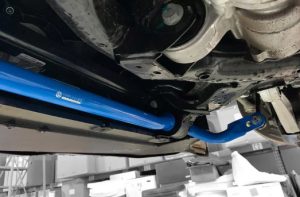
Whether you need a custom stabilizer bar or replacement parts like bushings and end links, choosing reputable suppliers ensures quality and reliability. For a wide selection of stabilizer bars, components, and custom solutions, check out Buy Stabilizer & Components online. Their range includes OEM-quality parts and expert advice to help you find the right setup for your vehicle.
Conclusion
Custom-built stabilizer bars are a smart investment when standard parts don’t meet your vehicle’s specific needs—whether due to modifications, performance goals, heavy-duty use, or restoration projects. They offer superior fit, tailored stiffness, improved durability, and enhanced handling characteristics. However, custom solutions require careful design, quality materials, and proper installation.
By understanding when and why a custom stabilizer bar is worth it, you can make informed decisions that improve your vehicle’s safety and driving enjoyment. Regular maintenance and choosing the right components also extend the life and effectiveness of your suspension system.
For reliable, high-quality stabilizer bars and components tailored to your needs, be sure to Buy Stabilizer & Components online and keep your vehicle handling sharp and stable for years to come.