In automotive engineering, chassis rigidity and flex behavior play a crucial role in vehicle dynamics, safety, performance, and comfort. Among the many components that affect these characteristics, stabilizer bars — also known as anti-roll bars or sway bars — are key elements that help define how a vehicle reacts to cornering forces, road imperfections, and driver input. This article examines how stabilizer bars influence chassis rigidity and flex, and why they are essential to modern suspension systems.
What Is a Stabilizer Bar?
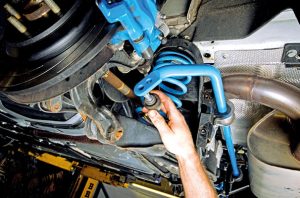
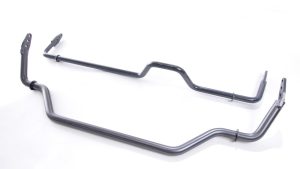
A stabilizer bar is a torsion spring that connects the left and right suspension components (usually lower control arms or struts) to resist body roll during cornering. While the spring rate of the chassis determines how much the vehicle leans, the stabilizer bar provides a counterforce that balances load distribution between the wheels.
The Relationship Between Stabilizer Bars & Chassis Behavior
1. Chassis Rigidity Explained
Chassis rigidity is a measure of how resistant a vehicle’s frame is to bending or twisting under load. It is important because:
-
Improves handling precision
-
Enhances steering response
-
Reduces unpredictable body movement
-
Increases safety
A rigid chassis ensures suspension components work as designed without unnecessary deformation.
2. Flex and Its Impacts
Flex refers to controlled deformation in the vehicle’s structure. While some flex can absorb road shock and improve comfort, excessive flex:
-
Reduces tire contact consistency
-
Alters suspension geometry
-
Weakens handling performance
Stabilizer bars help mediate this flex without sacrificing comfort.
How Stabilizer Bars Work in Practice
Stabilizer bars connect to the suspension through end links, creating resistance to differential wheel movement. When the vehicle corners, one wheel compresses while the opposite extends. The stabilizer bar “twists” and applies force to resist excessive roll.
| Action | Effect on Chassis |
|---|---|
| Cornering Force Increases | Stabilizer bar torque increases |
| One side Suspension Rises | Bar resists movement on opposite side |
| Chassis Attempts to Roll | Reduced roll improves stability |
| Bar Stiffness High | More resistance, less flex |
This simple mechanism dramatically influences how the chassis behaves in dynamic environments.
Benefits of Proper Stabilizer Bar Design
A well-engineered stabilizer bar contributes to overall vehicle performance:
Improved Handling
Stabilizer bars increase lateral stability, resulting in better cornering performance and quicker directional changes.
Balanced Suspension Response
By distributing loads more evenly across tires, they help maintain traction and reduce oversteer/understeer effects.
Enhanced Comfort
When tuned properly, stabilizer bars minimize harshness and preserve ride comfort by allowing controlled flex where beneficial.
Safety
Reduced body roll enhances driver confidence and improves braking performance during sudden evasive maneuvers.
Choosing Stabilizer Bars: What to Consider
Before selecting or upgrading stabilizer bars, consider these factors:
-
Vehicle type (sports car, SUV, daily driver)
-
Intended use (street, track, off-road)
-
Bar diameter and stiffness
-
End link quality
For a wide range of stabilizer components, including OEM and performance options, visit: Buy Stabilizer & Components online
Types of Stabilizer Bars
Different designs influence rigidity differently:
-
Solid Bars
-
High stiffness
-
Used in performance applications
-
-
Hollow Bars
-
Weight-saving
-
Similar stiffness with less mass
-
-
Adjustable Bars
-
Tunable stiffness levels
-
Ideal for racing and custom setups
-
Stabilizer Bar vs. Chassis Flex: A Balancing Act
Stabilizer bars are not a substitute for chassis strength; they complement it. A very stiff bar on a weak chassis may:
-
Induce unwanted stress on mounts
-
Accelerate structural fatigue
-
Cause unpredictable flexing elsewhere
Thus, optimal vehicle performance demands a balanced approach — matching bar stiffness to chassis rigidity and suspension tuning goals.
Installation and Maintenance Tips
To ensure stabilizer bars perform as expected:
-
Inspect bushings regularly to avoid slack
-
Check end links for wear
-
Ensure proper torque settings
-
Replace corroded or damaged parts promptly
Conclusion
Stabilizer bars are fundamental to controlling chassis rigidity and flex, directly influencing driving dynamics, comfort, and safety. By resisting body roll and coordinating suspension movement, they help vehicles respond more predictably to driver inputs and road conditions. Whether upgrading for performance or maintaining stock components, understanding how stabilizer bars affect chassis behavior is essential for enthusiasts and engineers alike. For quality stabilizer parts and accessories, don’t forget to Buy Stabilizer & Components online and choose options that suit your driving needs.