When it comes to vehicle dynamics, one of the key differentiators between sports cars and luxury sedans is how they handle corners, body roll, and driver input. A critical component in this dynamic behavior is the stabilizer bar (also called anti-roll bar or sway bar). This article explores why sports cars use stiffer stabilizer bars than luxury sedans, including technical explanations, visual tables, lists of factors, and real-world implications.
What Is a Stabilizer Bar?
A stabilizer bar is a torsional spring that connects opposite wheels (left and right) through short lever arms linked by a rod across the front or rear suspension. When one wheel rises and the opposite wheel falls — common during cornering — the stabilizer bar resists the difference in movement, reducing body roll and helping maintain a flatter chassis attitude.
Stiffer Stabilizer Bars in Sports Cars: What It Means

A “stiffer” stabilizer bar has a higher resistance to twist, which directly affects how much the car’s body leans during cornering. Sports cars typically use bars that are thicker and more rigid than those found on luxury sedans.
Key Differences in Vehicle Design
| Aspect | Sports Cars | Luxury Sedans |
|---|---|---|
| Intended Use | High performance, track & aggressive driving | Comfort, smooth cruising |
| Suspension Tuning | Firm, responsive | Soft, compliant |
| Stabilizer Bar Stiffness | Higher | Lower |
| Body Roll | Minimal | Moderate |
| Ride Comfort | Priority on control | Priority on comfort |
| Tire Load Consistency | High | Medium |
Why Sports Cars Use Stiffer Bars
1. Reducing Body Roll for Better Handling
Sports cars are engineered to corner at higher speeds. A stiff stabilizer bar minimizes body roll, allowing:
-
Better tire contact patches
-
Faster steering response
-
Improved balance through turns
This is essential for drivers who seek precision and predictability.
2. Enhancing Suspension Feedback
Sports drivers rely on feedback from the road to make split-second decisions. Stiff bars reduce unnecessary movement, ensuring the driver feels:
-
Better connection to the road
-
Less chassis “float”
-
More immediate reactions
3. Supporting Performance Tire Capabilities
Performance tires can handle more lateral force. Stiffer bars help match the chassis behavior to what capable tires can deliver.
4. Track and Dynamic Driving Requirements
Aggressive driving environments — especially track use — demand components that trade some comfort for maximum control.
Why Luxury Sedans Use Softer Bars
Luxury sedans prioritize ride comfort and refinement. Softer stabilizer bars contribute to:
-
Smoother rides over bumps
-
Reduced transfer of road irregularities into the cabin
-
Less harsh reactions on imperfect roads
This suits owners who favor serenity over sportiness.
Comparing Stabilizer Bar Characteristics
| Property | Stiff Bar (Sports) | Soft Bar (Luxury) |
|---|---|---|
| Material Diameter | Larger | Smaller |
| Torsional Resistance | High | Low |
| Influence on Comfort | Lower (firmer feel) | Higher (softer feel) |
| Support for High Speed | Excellent | Moderate |
| Ideal Usage | Performance driving | Daily commuting |
Other Factors Influencing Stabilizer Bar Selection
Here are some things engineers consider when choosing stabilizer bar stiffness:
-
Vehicle Weight Distribution
A balanced sports car can support stiffer bars more effectively. -
Suspension Geometry
Double-wishbone vs. MacPherson strut suspensions respond differently to bar stiffness. -
Chassis Rigidity
Stiffer chassis platforms work well with stiff stabilizers. -
Intended Buyer Expectations
Luxury buyers may prefer comfort over aggressive dynamics.
Applications in Real Vehicles
Sports cars like high-performance coupes or track-oriented variants often come with:
-
Thicker front and rear stabilizer bars
-
Adjustable components for tuning
-
Higher spring and damper rates
Meanwhile, luxury sedans keep stabilizer bars tuned to absorb energy more softly, enhancing comfort.
Upgrading and Maintenance
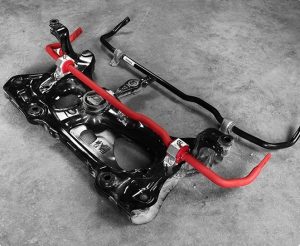
If you’re tuning your car for better handling or comfort, consider these points:
-
Match stabilizer bars to your driving goals
-
Use quality end links and bushings
-
Replace worn components promptly
-
Balance front and rear bar stiffness for overall stability
For a wide range of stabilizers and suspension components, visit: Buy Stabilizer & Components online
Conclusion
Stabilizer bar stiffness is more than just hardware — it’s a dynamic tuning tool that shapes how a vehicle feels and performs. Sports cars use stiffer stabilizer bars to reduce body roll, improve handling, and deliver precise feedback, while luxury sedans favor softer bars to enhance comfort and smooth daily driving. Understanding this distinction helps car enthusiasts and everyday drivers alike appreciate the engineering that goes into vehicle dynamics. Whether optimizing for performance or plush comfort, selecting the right stabilizer setup is fundamental to achieving your driving goals.