Stabilizer bars, also known as anti-roll bars or sway bars, are crucial components in modern vehicle suspension systems. Their primary role is to reduce body roll during cornering, improving vehicle stability, handling, and passenger comfort. Despite their critical function and constant exposure to road stresses, stabilizer bars rarely break. This durability results from their robust design, material quality, and engineering precision. However, like any mechanical part, stabilizer bars can fail under certain conditions. This article explores why stabilizer bars are so resilient, the factors that can lead to their failure, and how to detect issues before they compromise vehicle safety.
What Are Stabilizer Bars and How Do They Work?
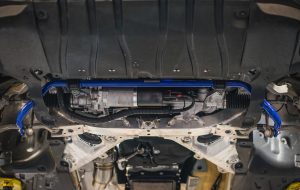
Stabilizer bars connect the left and right sides of a vehicle’s suspension. When a vehicle corners, the body tends to lean or “roll” toward the outside of the turn. The stabilizer bar twists to resist this roll, transferring forces from one side of the suspension to the other. This action helps keep the vehicle flatter through turns, enhancing traction and reducing the risk of rollover.
Key Functions of Stabilizer Bars:
-
Minimize body roll during cornering
-
Improve steering response and vehicle control
-
Distribute load evenly between tires
-
Enhance passenger comfort by reducing sway
Why Stabilizer Bars Rarely Break
1. Material Strength and Quality
Most stabilizer bars are made from high-strength steel alloys designed to withstand twisting forces without permanent deformation. Their material composition ensures resistance to fatigue and corrosion over extended periods.
2. Robust Design
Stabilizer bars are engineered to handle loads beyond typical driving conditions, including emergency maneuvers and rough roads. Their cylindrical or oval shape offers high torsional rigidity, allowing them to absorb and distribute forces effectively.
3. Protective Coatings
To prevent corrosion, which could weaken the metal over time, stabilizer bars usually feature protective coatings such as powder coating or galvanization. This layer guards against rust, especially in climates with road salt usage.
4. Durable Attachments
Stabilizer bars rely on bushings and linkages to connect to the suspension and chassis. These components are designed to flex and absorb shocks, protecting the bar itself from excessive stress.
When and Why Stabilizer Bars Can Fail
Although rare, stabilizer bars can break due to several factors:
| Cause | Description | Impact |
|---|---|---|
| Corrosion | Prolonged exposure to moisture, salt, and chemicals | Metal weakening and cracking |
| Fatigue Stress | Repeated flexing over time without proper maintenance | Micro-cracks leading to failure |
| Impact Damage | Collisions with road debris or potholes | Bending or snapping of the bar |
| Poor Installation or Repairs | Improper replacement or tightening of components | Uneven stress and premature breakage |
| Worn Bushings or Links | Deterioration of rubber or polyurethane parts | Increased movement and strain on bar |
Signs Your Stabilizer Bar May Be Failing
Early detection of stabilizer bar issues can prevent accidents and costly repairs. Watch for these symptoms:
-
Excessive Body Roll: Increased leaning during turns, making the vehicle feel unstable
-
Clunking or Rattling Noises: Sounds from under the car, especially when driving over bumps
-
Uneven Tire Wear: Resulting from uneven load distribution caused by sway bar failure
-
Loose Steering Feel: Reduced precision when maneuvering
-
Visible Damage: Cracks, bends, or corrosion on the stabilizer bar or its components
Maintenance Tips to Extend Stabilizer Bar Life
Proper care can significantly prolong the life of your stabilizer bar and its associated parts:
-
Regular Inspection: Check for signs of corrosion, cracks, or wear during routine maintenance.
-
Replace Worn Bushings and Links: These flexible components absorb shocks and protect the bar from stress. Worn parts should be replaced promptly.
-
Avoid Aggressive Driving on Rough Roads: Minimize high-impact hits to protect suspension components.
-
Clean and Protect: Wash the undercarriage regularly to remove salt and debris, and apply protective coatings if necessary.
-
Professional Installation: Ensure repairs or replacements are performed by qualified technicians to avoid improper fitment.
Table: Common Stabilizer Bar Components and Their Roles
| Component | Function | Typical Material | Maintenance Tip |
|---|---|---|---|
| Stabilizer Bar | Resists body roll by twisting during cornering | High-strength steel | Inspect for corrosion/cracks |
| Bushings | Cushion and allow controlled movement | Rubber or polyurethane | Replace if cracked or hardened |
| End Links | Connect stabilizer bar to suspension components | Steel with rubber ends | Check for looseness or damage |
| Mounting Brackets | Secure bushings and bar to chassis | Steel or aluminum | Ensure bolts are tight |
Why Buy Quality Stabilizer Bars and Components?
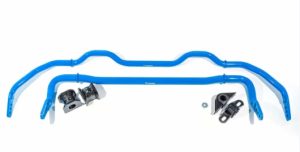
Choosing high-quality stabilizer bars and related components ensures optimal performance, durability, and safety. Inferior parts may fail prematurely, leading to dangerous handling issues and costly repairs.
For reliable, OEM-quality stabilizer bars, bushings, and end links, consider trusted sources that offer a wide range of parts tailored to your vehicle’s needs. You can Buy Stabilizer & Components online for convenience, quality assurance, and competitive pricing.
Conclusion
Stabilizer bars are built to last, thanks to their strong materials, thoughtful design, and protective measures. Their rare failures usually stem from external damage, corrosion, or neglect rather than inherent weaknesses. Regular maintenance, timely replacement of worn bushings and links, and professional installation are key to ensuring your stabilizer bar continues to perform its vital role in vehicle safety and handling.
When it comes time to replace or upgrade your suspension system, opting for high-quality stabilizer bars and components is essential. For dependable parts and easy purchasing, be sure to Buy Stabilizer & Components online and keep your vehicle handling smooth and safe for every journey.